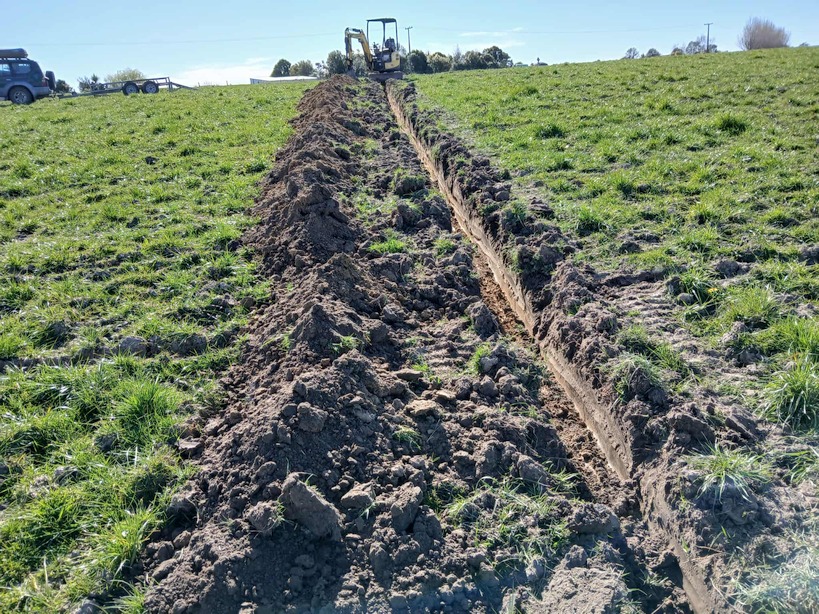
If you're on a rural metered water supply in the Timaru district, there are a few things that come up again and again. Low pressure, running out of water, restrictor issues, and mystery wet patches that are quietly costing you money. Here's what I've learned from years of sorting these out.
Restrictor sizing
Your restrictor controls how much water you can draw from the council supply. Too small and you run out of water when the house and stock are both drawing. Too big and you're paying for capacity you don't need, or you might not be compliant with council guidelines. I can help you work out the right size based on the Timaru District Council water supply guidelines and your actual household and stock needs. It's not guesswork, there are guidelines for this, and getting it right means your supply keeps up without you overpaying.
Sometimes it's just blocked
Before you go replacing anything, it's worth checking the restrictor and filter. I've lost count of how many times I've been called out for "low pressure" or "no water" and the restrictor was just blocked with dirt and sediment. A clean-out and it's back to normal. No new parts, no big bill. If you're having pressure or flow issues, that's the first thing I check.
If cleaning doesn't fix it: storage and pumps
If the restrictor's clean and correctly sized but you're still running out, the next step is water storage. A storage tank sized for your domestic and farming needs means you can draw from the council supply at the restricted rate and store it, then use what you need on demand. I can help you figure out the right tank size and install it, along with a pumping system if you need extra pressure for the house, showers, or stock troughs.
The setup is straightforward: council supply feeds the tank, the tank feeds the pump, the pump feeds the house and stock lines. Done properly, you'll never think about it again. Done badly, you'll be back to the same problems in a month.
That persistent wet spot
If you've got a patch in a paddock or along the roadside that's always wet or suspiciously green when everything else is dry, don't ignore it. That's almost always a leak in your water line or reticulation. You could be wasting hundreds or even thousands of dollars worth of water without realising it. The ground doesn't lie. If it's wet when it shouldn't be, water's getting out somewhere.
I can trace the line, find the leak, and get it sorted. Most of the time it's a simple fix, a cracked fitting, a split pipe, or a joint that's come apart. But the longer you leave it, the more water you're paying for and the bigger the mess gets. A phone call and a site visit could save you a lot of money.